 >
>
 >
>
 >
>
 >
>
 >
>
 >
>
 >
>
 >
>
 >
>
 >
>
 >
>
Pressure Canning vs Can Sealing - Clearing Up the Confusion

When people talk about canning, sealing, and preservation, it is easy to assume all methods work the same way. After all, both pressure canning and can sealing involve placing food into a container and closing it tightly. The pressure canner is the essential equipment for home canning, ensuring food is preserved safely and effectively. The goal feels identical: preserve food and extend its usable life. However, the weight or weighted gauge on a pressure canner is crucial for regulating and maintaining the correct internal pressure during the process. When preparing jars for canning, the added weight from jars and water can affect the canner's portability and usage considerations.
Introduction to Food Preservation
Food preservation is a time-honored practice that allows us to enjoy the flavors and nutrition of our favorite foods well into the future. By preventing spoilage and maintaining quality, food preservation methods help reduce waste and ensure a steady supply of healthy meals year-round. There are various preservation techniques, each suited to different types of food and storage needs, including canning, freezing, pickling, dehydrating, and sealing.
Canning, which includes both pressure canning and water bath canning, involves preparing food—such as vegetables, poultry, or meat—packing it into canning jars, and heating it to a specific temperature. This heat treatment destroys harmful microorganisms and inactivates enzymes that cause spoilage. Once cooled, a vacuum seal forms, preventing air and contaminants from re-entering the jar, thereby keeping the contents safe for long-term storage.
Pressure canning is a specialized form of canning essential for low acid foods like meats, poultry, and most vegetables. It uses high heat and pressure to reach temperatures above boiling water, effectively eliminating dangerous bacteria and spores. This method ensures safety and shelf stability for foods that cannot be preserved safely by boiling water alone.
In contrast, can sealing is a mechanical process that simply closes a container, such as a can, creating an airtight seal without applying heat or pressure. While sealing keeps out air and moisture, it does not destroy microorganisms already present in the food. Therefore, sealed foods require refrigeration or freezing to remain safe and fresh and are not shelf stable like pressure canned goods. Can sealing is often used for dry goods, portion control, or short-term storage where refrigeration is available.
Other preservation methods like freezing slow down microbial growth by reducing temperature, while pickling uses acidity to inhibit bacteria. Dehydrating removes moisture, preventing spoilage by drying out the food. Each method has unique benefits and limitations depending on the type of food and intended storage duration.
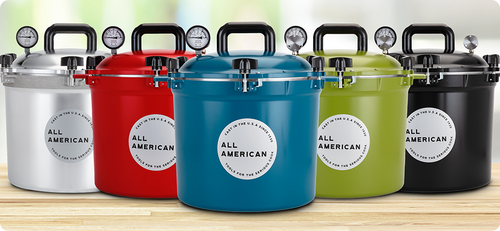
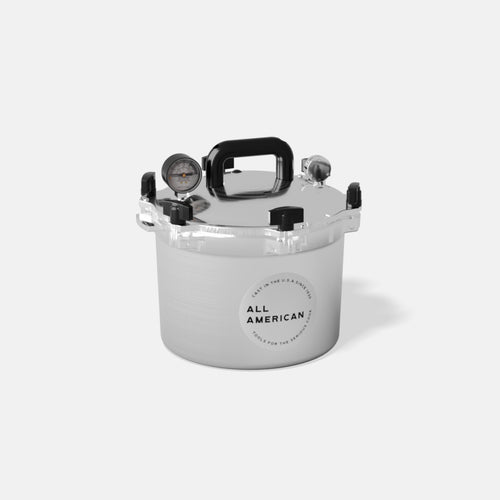
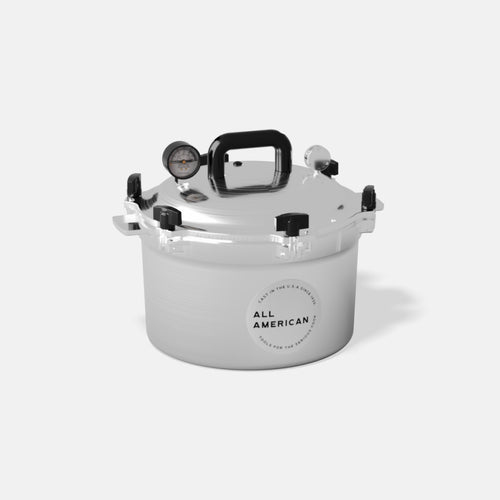
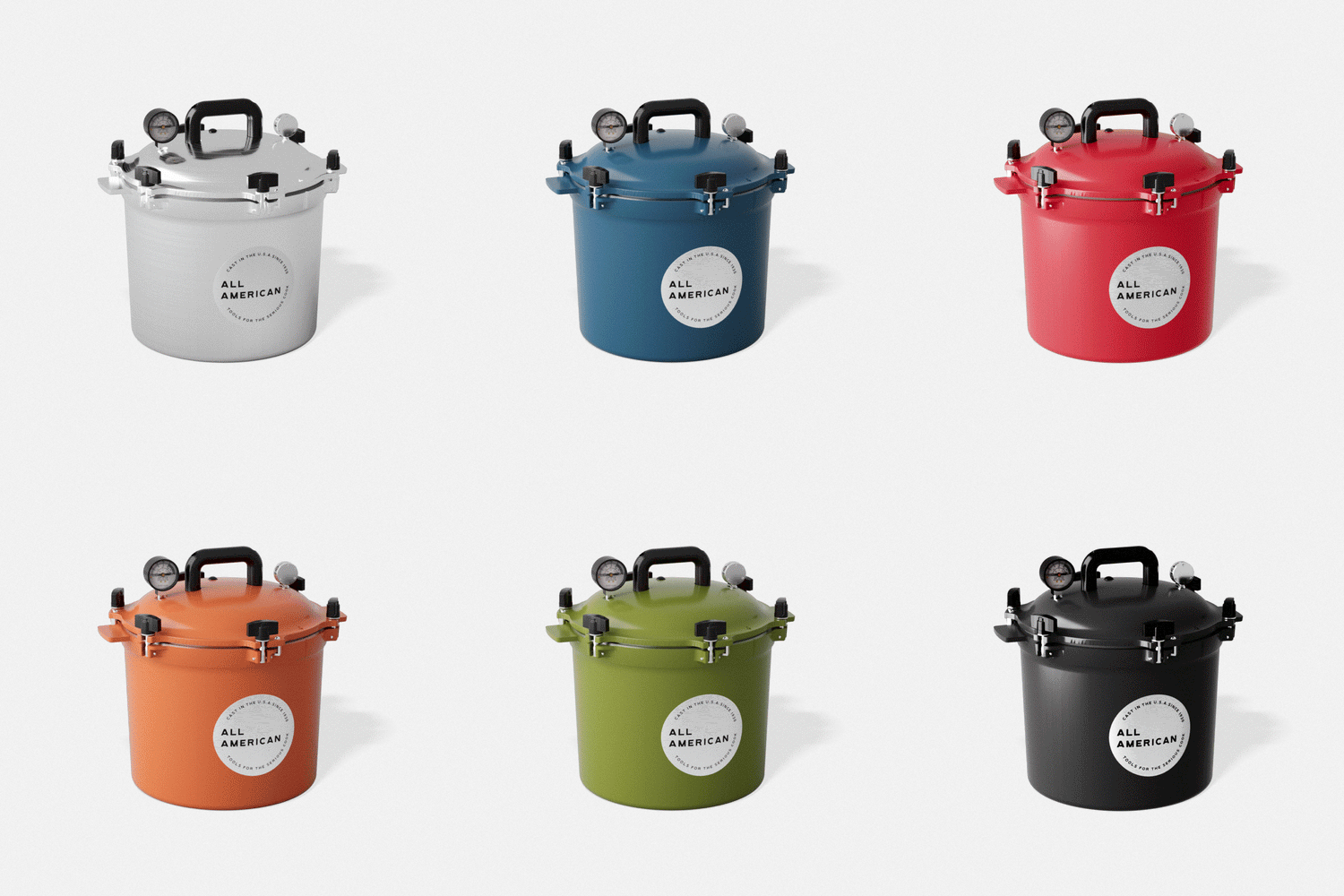
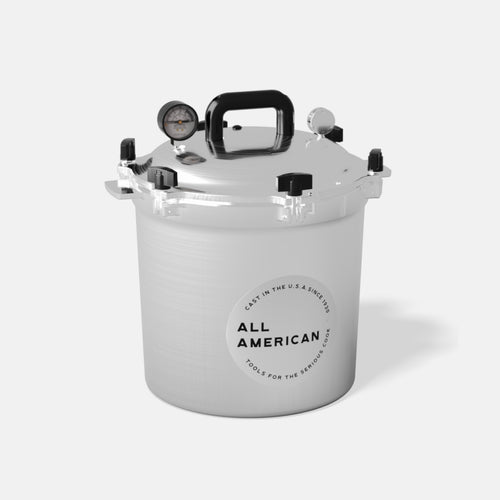
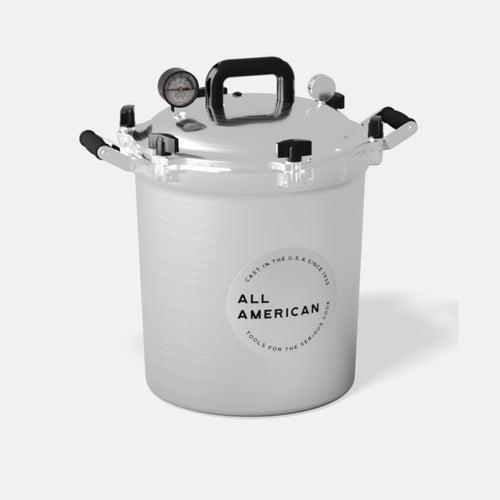
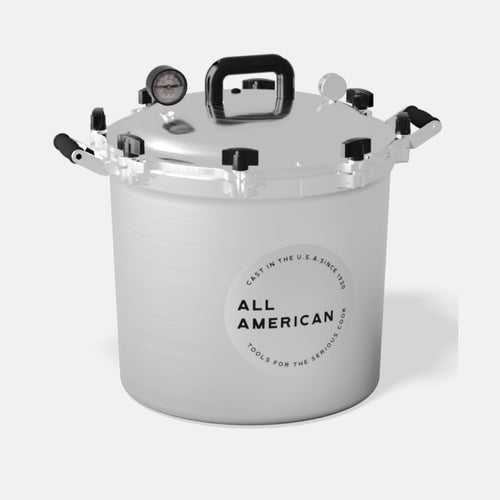
The right cookware and equipment, such as sturdy pots, specialized pressure canners, and reliable sealing devices, play vital roles in achieving successful preservation. Companies like All American 1930, have been proud to bring innovative pressure canners featuring precision-machined “Metal-to-Metal” sealing systems that ensure a steam-tight seal without gaskets, making home food preservation safer and more accessible.
Understanding the differences between preservation methods helps home cooks choose the best approach for their needs, ensuring food safety, minimizing waste, and bringing the satisfaction of enjoying homemade meals throughout the year. Whether you’re preserving fresh garden vegetables or preparing large batches of poultry, embracing the full spectrum of food preservation techniques empowers you to take control of your pantry and future meals.
What Pressure Canning Actually Does
Pressure canning is a preservation method designed specifically to make food shelf stable. It uses both heat and pressure to raise the internal temperature of the food high enough to destroy harmful microorganisms, including those that cause serious foodborne illness. This process is especially critical for low acid foods like vegetables, meats, soups, and beans. These foods require higher temperatures than boiling water alone can provide. Pressure canning is designed to prevent spoilage and ensure food safety by eliminating bacteria and other pathogens. When using a pressure canner, it is important to maintain the correct water level—typically 2-3 inches high—in the canner to achieve the appropriate temperature and pressure for safe preservation. When the processing time is complete, you must turn off the heat and allow the pressure to return to zero before opening the canner. When done correctly, pressure canning not only seals the container but also creates a product that can be safely stored at room temperature for long periods of time.
In the United States, home pressure canned foods typically have a recommended shelf life of one to two years for best quality, though they may remain safe longer if stored properly. Commercially canned foods, which are processed using tightly controlled and validated systems, often carry shelf-life expectancy of two to five years or more. In all cases, shelf stability comes from the heat process, not the container itself.
What Can Sealing Is and Is Not
Can sealing, on the other hand, is a mechanical operation. A can sealer simply closes the lid onto the can, creating an airtight seal. It does not apply heat, pressure, or any form of microbial destruction. This means the safety and shelf life of the food inside the can are unchanged by the sealing process alone. Any bacteria, yeast, or mold present before sealing are still present afterward.
Because of this, foods sealed without pressure processing are not shelf stable. They must be refrigerated or frozen and treated like any other fresh or cooked food. In cold storage, most sealed foods will last anywhere from a few days to a couple of weeks depending on the food type and handling. Can sealing is commonly used for dry goods like coffee, grains, or spices, or for short term storage, portion control, or presentation when cold storage is clearly required.
What Makes Food Shelf Stable
Shelf stability is achieved when food has been processed in a way that prevents the growth of microorganisms at room temperature. This usually requires a combination of heat, time, acidity, and container integrity. In pressure canning, the heat and pressure work together to eliminate dangerous organisms. In commercial canning, similar principles apply, but with more precise controls and testing. Simply removing air or sealing a container does not make food shelf stable on its own.
High acid foods such as pickled products or properly acidified tomato products can be shelf stable with lower temperature processing, but they still require heat treatment. Without that step, even acidic foods should not be stored at room temperature.
Same Goal, Very Different Results
Both pressure canning and can sealing aim to preserve food, but they serve different purposes. Pressure canning is about long term, room temperature storage and food safety. Can sealing is about containment, freshness, and convenience, often paired with refrigeration or freezing. Understanding the difference helps prevent unsafe storage practices and sets realistic expectations for shelf-life.
Preservation is not just about closing a container. It is about choosing the right process for the food, the storage environment, and the length of time you expect that food to last. When those pieces align, preservation becomes both effective and safe.