 >
>
 >
>
 >
>
 >
>
 >
>
 >
>
 >
>
 >
>
 >
>
 >
>
 >
>
Planning Your Garden with Preservation in Mind: What to Grow for Canning Season

Winter might feel far away right now, but the truth is, the jars you’ll be reaching for next December are planted in the decisions you make today. February is the perfect time to sit down with a cup of coffee, dream about warmer days, and plan your garden with your pantry shelves in mind. Planning now helps with preserving and preserving food for the months ahead, ensuring you have a supply of home-preserved goods when you need them.
Start with Your Shelves
Before you flip through a single seed catalog, think about what you actually use. Picture yourself cooking dinner on a cold January evening next year. What jars do you reach for most often? For many home canners, the answer is tomatoes, green beans, pickles, and salsa. These staples are worth dedicating serious garden space to. Choosing the best quality produce for canning ensures the best results in flavor, texture, and safety, so select fresh, ripe fruits and vegetables for your garden, especially if you have a family to feed.
Don’t forget about the extras that make meals special: jalapeños for those homemade pickled peppers, beets for holiday dinners, or peaches if you’re lucky enough to have fruit trees. Your garden plan should reflect your family’s actual eating habits, not just what looks pretty in the catalog. Planning for more food means you’ll have enough to eat fresh and preserve for meals throughout the year.
The Best Crops for Food Preservation
Some vegetables are absolute workhorses when it comes to canning. Tomatoes top the list—whether you’re making sauce, salsa, or whole peeled tomatoes, they preserve beautifully and taste like summer all winter long. Using canning jars and properly filling jars is essential for best results, as it helps ensure a good seal and long shelf life.
Bush beans produce heavily and are simple to can, making them perfect for beginners and experts alike.
Cucumbers transform into pickles, relish, and bread-and-butter slices that disappear faster than you can make them. Peppers—both sweet and hot—add flavor and color to your preserved goods. When canning fruits, using sugar or sugar syrup as the packing liquid helps preserve flavor, texture, and color. And if you have the space, consider carrots, corn, and potatoes, which are low acid foods. These low acid canned foods require a specific canning method—pressure canning—rather than the boiling water method, to ensure safety and prevent spoilage.
When preparing your harvest for canning, always use hot water or boiling water to sterilize your canning jars before starting the canning process.
Why Pressure Canning Changes Everything
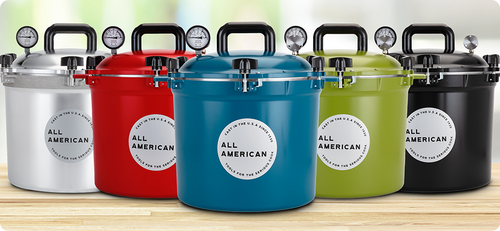
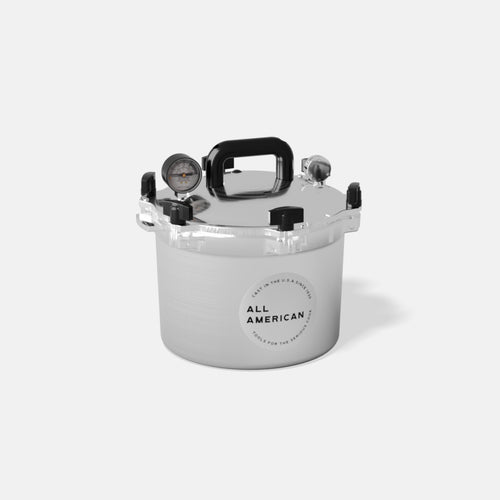
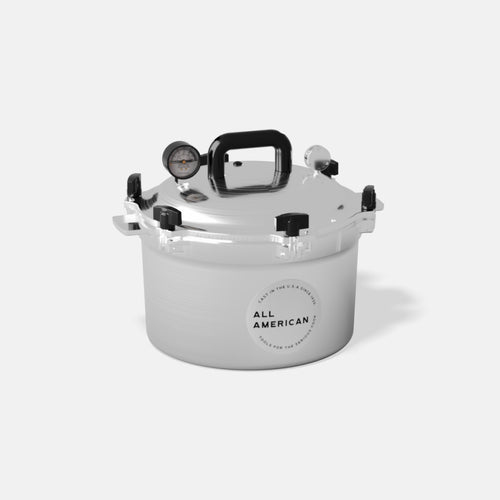
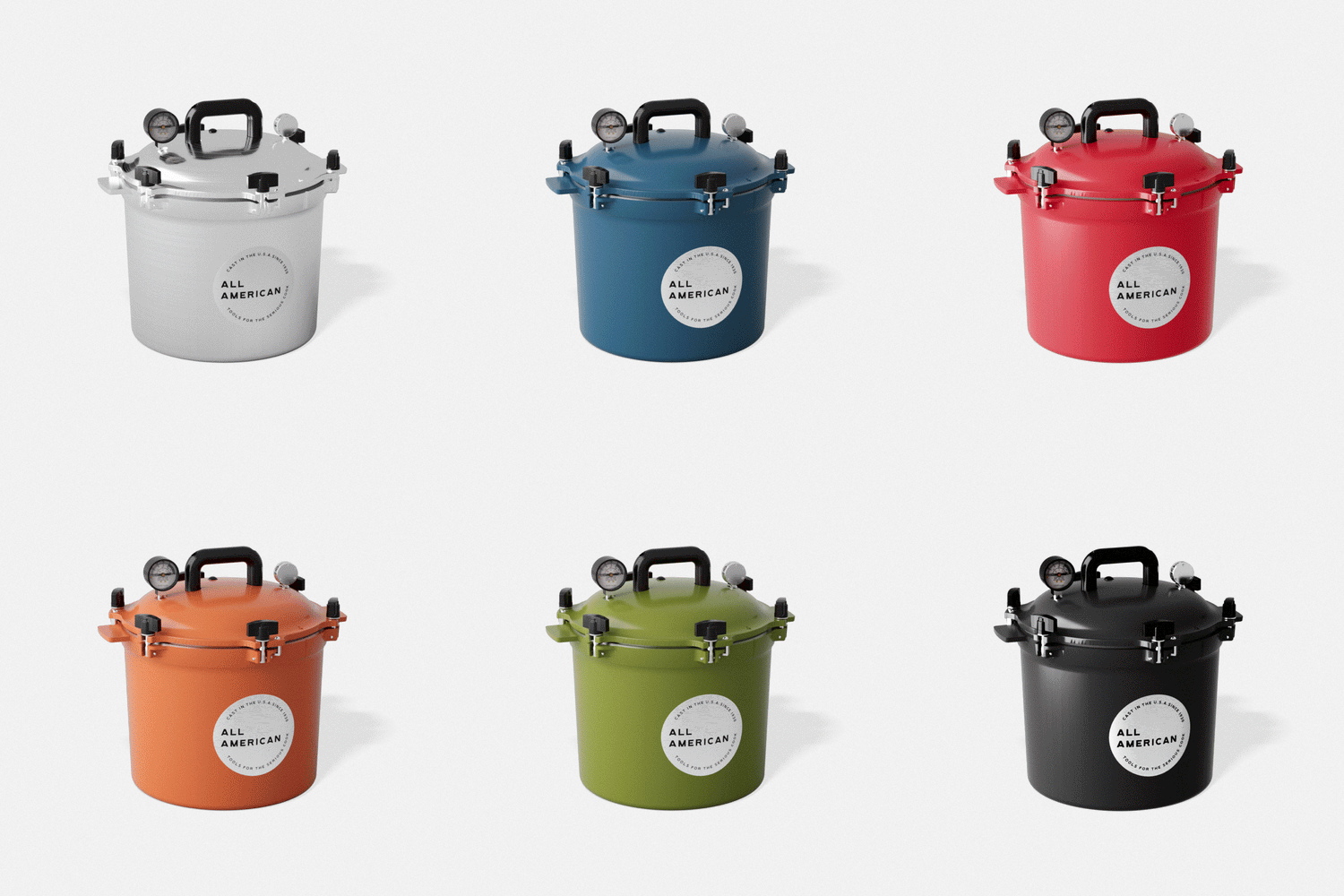
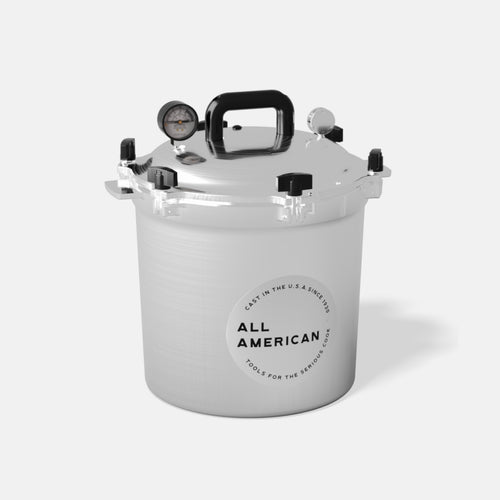
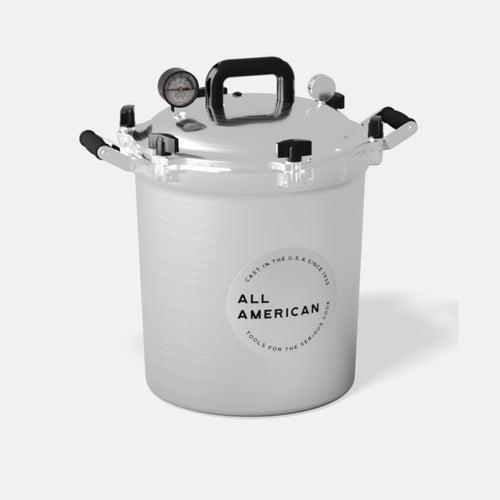
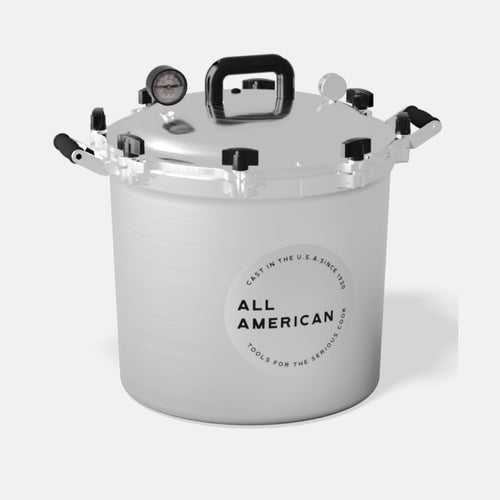
Here’s where planning gets exciting: with an All American 1930 Pressure Canner, you’re not limited to high-acid foods. Modern pressure canners feature precision machined parts, a dial gauge, and a weighted gauge for accurate pressure control, as well as a jar rack for organizing jars. While water bath canning works beautifully, low-acid vegetables like green beans, corn, carrots, and potatoes require the higher temperatures that only the pressure canning method can achieve to destroy botulism spores and most bacteria, ensuring foods safe for storage.
This means you can grow and preserve a much wider variety of foods, including low-acid foods like meat, red meats, poultry, and fish, which must be pressure canned to prevent bacterial growth. Always use new lids and check the jar rim for a proper vacuum seal, and be sure to remove air bubbles before processing. The process time will vary depending on the food, and the weight and metal construction of your canner contribute to safety and durability. After canning, some foods may need to be stored in the refrigerator, and proper cook times are essential for safety.
That bumper crop of green beans? Canned and ready for casseroles. Sweet corn at its peak? Preserved in jars for winter soups. Our pressure canners make it possible to safely preserve complete meals, giving you true food security and the incredible satisfaction of serving your family vegetables you grew and preserved yourself.
Planting with Succession in Mind
Smart gardeners don't plant everything at once. For crops like beans and cucumbers, plan to plant every two to three weeks. This gives you a manageable harvest rather than 50 pounds of cucumbers all demanding to be pickled on the same weekend. Your future self will thank you for this forethought.
Harvesting and Post-Harvest Handling
When it comes to food preservation, the journey from garden to jar is just as important as the canning process itself. The quality of your canned food starts the moment you harvest. Picking fruits and vegetables at their peak ensures the best flavor, texture, and nutritional value in your home canned food.
Take canning peaches, for example. For the best canned product, peaches should be harvested when they are fully ripe but still firm. Overripe fruit can become mushy during the heating process, while underripe peaches may lack sweetness and flavor. The same principle applies to other foods you plan to preserve—whether it’s tomatoes, green beans, or carrots, always aim to pick them at their prime.
After harvesting, handle your food gently to avoid bruising, which can lead to food spoilage during storage. Wash produce thoroughly in cold water to remove soil and bacteria, and sort out any damaged or overripe pieces. Preparing your harvest with care before canning helps ensure that every jar you fill contains quality food that will last through the winter.
By paying attention to harvesting and post-harvest handling, you set yourself up for success in the canning kitchen. The extra effort now means you’ll enjoy delicious, safely canned fruits and vegetables all year long.
Make Your Home Canning List Now
Grab a notebook and start planning. How many quarts of tomato sauce does your family use in a year? How many jars of pickles? When planning your preservation strategy, consider both canned and frozen foods to ensure you have a variety of options for year-round eating. Do you want enough green beans for twice a week all winter? Once you have those numbers, you can work backward to figure out how many plants you need. A good example of planning ahead is considering how water hardness can affect the quality of your canned foods, so take note of your water source.
The beauty of the seed to seal journey is that it all starts right now, in these quiet weeks before spring. Every seed you plant with intention becomes a jar on your shelf, a meal on your table, and proof that you can feed your family well all year round. Home canning lets you use natural ingredients and helps avoid spoil by preserving food safely. When planning to can tomatoes or figs, remember to include citric acid or lemon juice to ensure safe preservation. If you want to make low-sugar recipes, plan for sugar substitutes, but keep in mind they do not preserve food the same way as sugar. Make sure you have enough glass jars for your home canning projects, as they are essential for safe and effective food storage.